 United States
 Canada
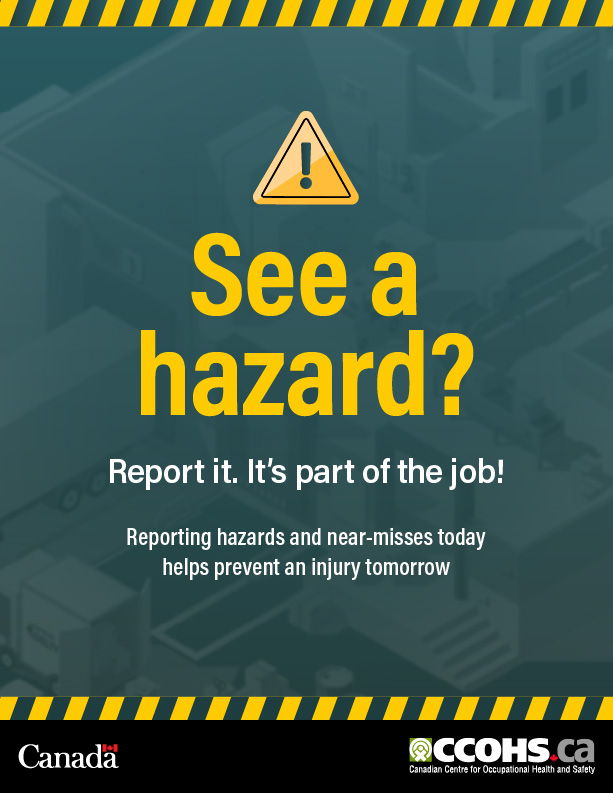
Hazard identification is one of the most important parts of keeping our workplaces safe. Hazards don’t always cause immediate injuries, but when they go unnoticed or unreported, they can quickly lead to incidents, damage, or harm to workers and customers.
A hazard is anything with the potential to cause injury, illness, or property damage. A substandard condition is an unsafe condition that falls below acceptable standards, such as damaged equipment, poor housekeeping, missing guards, blocked exits, spills, or unsafe work areas.
The good news? Most hazards can be prevented when they are identified early.
WHAT TO WATCH FOR
Hazards can be found everywhere, especially during day-to-day tasks. Pay close attention during:
- Sudden changes in your environment or equipment
- Daily work activities and inspections
- Equipment use and maintenance
- Changes to tasks, tools, or work areas
- Near misses or “close calls”
If something looks unsafe, it probably is.
WHAT TO DO WHEN YOU IDENTIFY A SUBSTANDARD CONDITION
If you identify a hazard or substandard condition:
1. Make it safe if you can
If it’s safe to do so, take immediate action (for example, clean up a spill or block off an area).
2. Report it right away
Notify your supervisor or manager as soon as possible. Hazards should be reported when they are found, not later.
3. Follow the process
Use the appropriate reporting tools or forms so the issue can be tracked and corrected.
4. Do not ignore it
Small issues can quickly become serious if left unaddressed.
Remember: identifying and reporting hazards is not about blame, it’s about prevention. Every report helps improve safety, protects your coworkers, and keeps our workplaces running safely and efficiently.
SEE IT. REPORT IT. FIX IT.
SAFETY STARTS WITH YOU!
Submitted By: Rea O’leary, CRST, Health and Safety Officer, Head Office